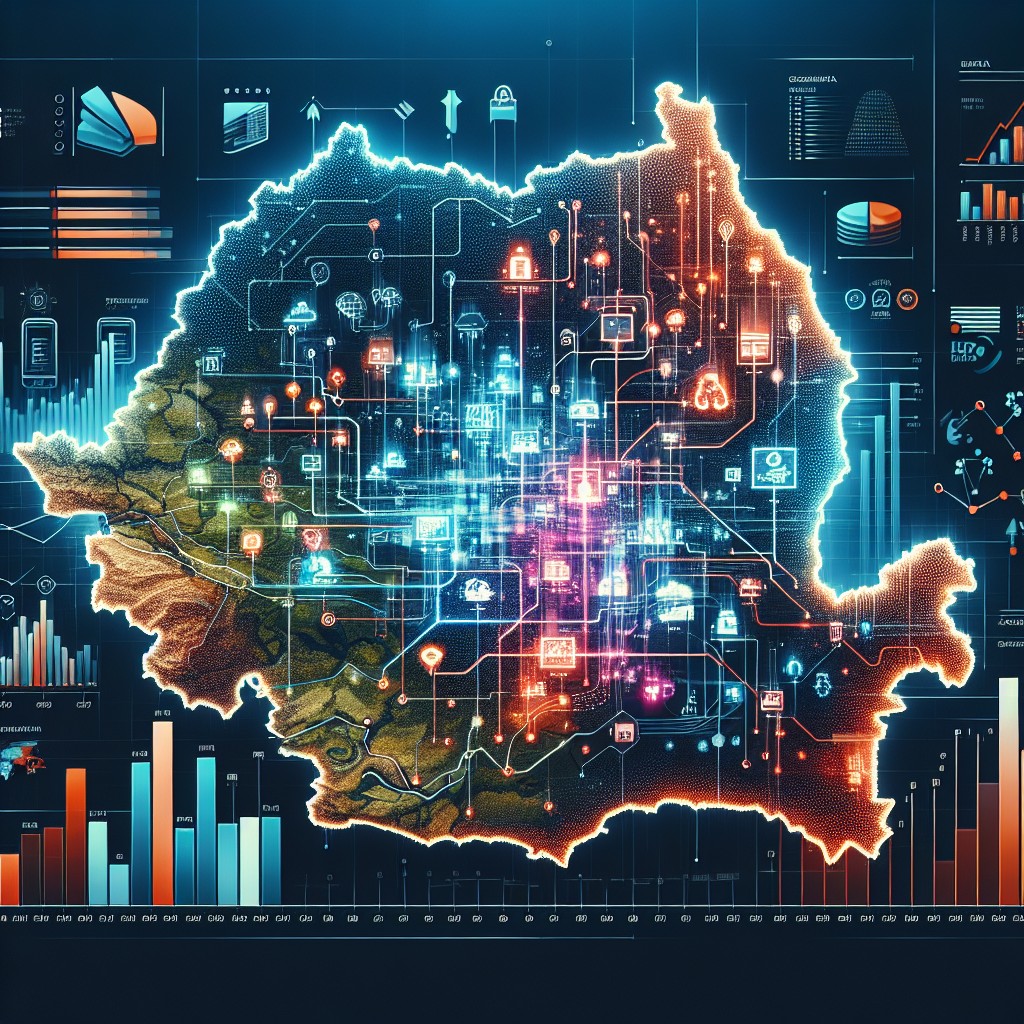
A recent comprehensive study on health data has unveiled startling predictions for 2026, indicating significant shifts in health trends and outcomes globally. Researchers emphasize the implications of these findings on public health policies and healthcare practices.
Shifting Trends in Global Health
The health data indicates a move towards increased chronic health conditions, particularly among younger populations. This trend is attributed to lifestyle choices and environmental factors that have changed drastically over the last few decades. According to the World Health Organization (WHO), non-communicable diseases are on the rise, with forecasts suggesting that by 2026, nearly 70% of deaths will be associated with these conditions. The study presents a contrast between developed and developing nations, pointing out that while chronic diseases dominate in wealthy countries, infectious diseases still pose significant risks in low-income regions.
Technological Impact on Health Data Collection
The advancement of technology has transformed how health data is collected and analyzed. Wearable devices and mobile health applications have enabled continuous monitoring of patient metrics outside traditional healthcare settings. This shift allows for a more personalized approach to treatment and prevention. Experts note that by 2026, the integration of artificial intelligence in processing health data will enhance predictive capabilities and facilitate timely interventions, aiming to improve quality of life and health outcomes. The potential of digital health solutions is becoming increasingly recognized amongst healthcare providers and policymakers alike.
Addressing Inequality through Health Data Insights
Equitable access to health services remains a critical challenge, as outlined by the recent health data study. The researchers highlight disparities faced by underprivileged communities, which could lead to exacerbated health inequalities by 2026. Initiatives focused on leveraging health data to inform resource allocation and targeted health programs are essential for mitigating these disparities. The study suggests that collaboration between governments and private sectors can foster more inclusive healthcare solutions, ensuring that advancements in health technology benefit all populations.
Conclusion: Preparing for a New Health Landscape
As the findings of the study reveal, the health data collected over the coming years will be crucial for anticipating and preparing for the future health landscape. Policymakers and health professionals are urged to utilize these insights for strategic planning and to implement effective health interventions. The ability to adapt to emerging health trends has never been more essential, especially as we approach 2026 and beyond.
Frequently Asked Questions about Health Data
What is health data and why is it important?
Health data refers to the information regarding patients’ health status and the healthcare services they receive. It is crucial as it helps in tracking disease patterns, informing healthcare policies, and improving patient care.
How is health data used in public health initiatives?
Health data is utilized in public health initiatives for identifying health trends, assessing community health needs, and guiding interventions to improve health outcomes for populations.
What challenges are associated with health data collection?
Challenges in health data collection include privacy concerns, data accuracy, and ensuring equitable access to health information across different demographics.
How will technology impact health data in the future?
Technology is set to enhance health data collection and analysis, leading to better predictive models and personalized healthcare solutions, particularly as we approach 2026.
Where can I find reliable health data sources?
Reliable health data sources include government health agencies, such as the World Health Organization, healthcare organizations, and academic institutions engaged in health research.