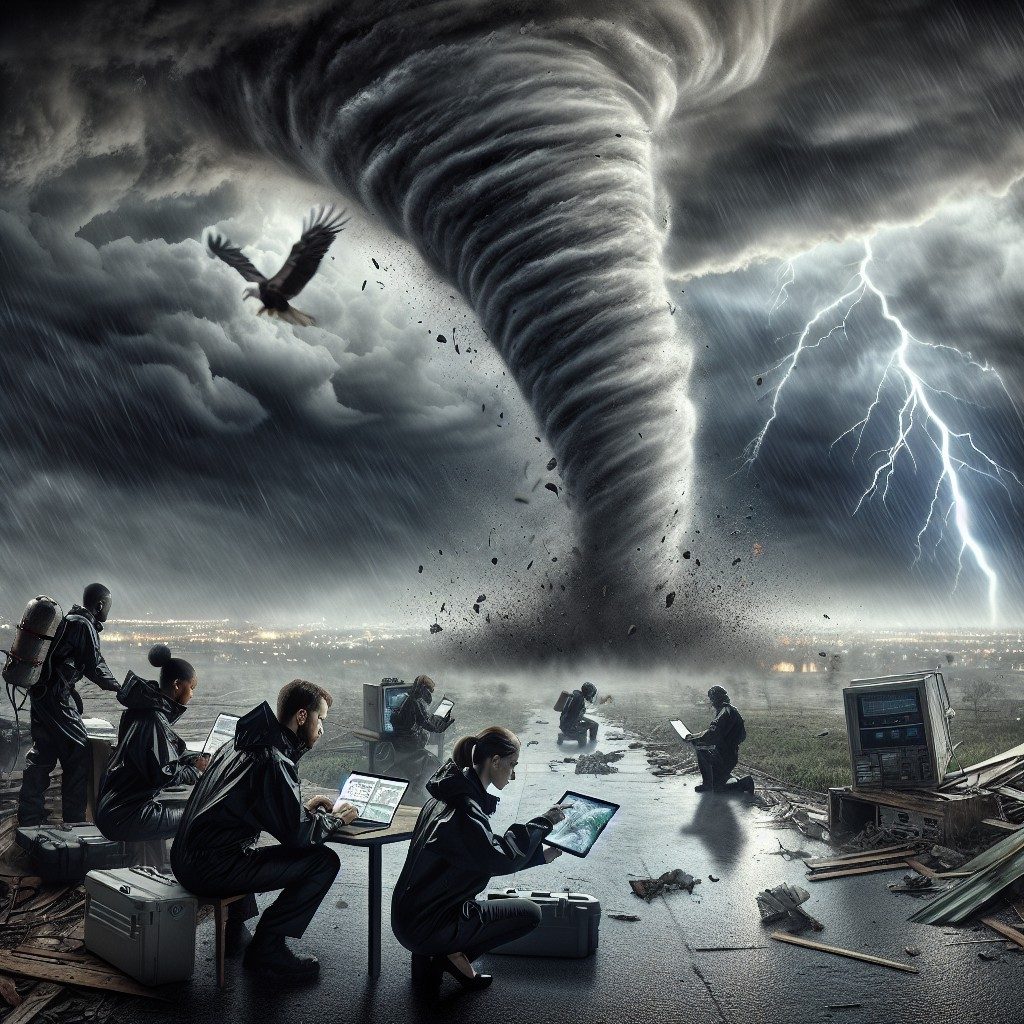
A recent climate analysis reveals that meteorologists and climatologists are predicting a series of alarming weather patterns in 2026. These forecasts derive from a combination of evolving climate models and historical data that hint at unprecedented changes in global weather behavior. The findings have sparked a wave of concern among experts and policymakers alike.
Projected Temperature Increases
According to the latest climate analysis, average global temperatures are expected to rise significantly by 2026, potentially surpassing the 1.5 degrees Celsius limit set by the Paris Agreement. This alarming rise in temperature will not only exacerbate existing weather patterns but will also contribute to new phenomena that could alter local climates drastically. Regions that are typically cooler may experience heatwaves, while warmer areas could see a spike in droughts, leading to major consequences for agriculture and water supply.
Extreme Weather Events on the Rise
The climate analysis also indicates an increase in the frequency and intensity of extreme weather events. Hurricanes, floods, and wildfires may become more commonplace, particularly in areas already vulnerable to such disasters. For instance, data projections suggest that coastal cities are likely to face more significant storm surges, while inland areas may deal with severe thunderstorms and flooding, leading to infrastructural damage and economic strain. Experts emphasize the need for mitigation strategies to address these anticipated challenges, urging local governments to prepare for a future with unpredictable weather conditions.
The Economic Impact of 2026 Weather Patterns
The repercussions of the shocking weather patterns expected in 2026 extend beyond environmental concerns. Economists have assessed that these changes could significantly impact global economies, particularly in sectors such as agriculture, insurance, and tourism. Crop failures due to extreme heat or excessive rainfall might lead to food shortages, driving up prices in the market. Additionally, the insurance industry might face increased claims as more natural disasters occur, affecting premiums and consumer choices. The need for robust climate analysis continues to be critical for sectors aiming to adapt to these coming challenges.
Conclusion
As experts prepare for the unprecedented weather patterns forecasted for 2026, the importance of early intervention and strategic planning cannot be overstated. The evolving climate analysis highlights an urgent need for global leaders to prioritize climate resilience and invest in adaptation strategies that can mitigate the potentially devastating effects of these predicted weather changes. The key to addressing these challenges will be our ability to collaborate on innovative solutions to protect both people and the planet.
Frequently Asked Questions about Climate Analysis
What is climate analysis?
Climate analysis refers to the comprehensive examination of climate data and trends to understand past, current, and future climate conditions. It allows scientists to forecast potential weather patterns and impacts.
How do climate analysts predict future weather patterns?
Climate analysts utilize complex models that simulate atmospheric conditions based on historical data, current trends, and varying climate scenarios to predict future weather patterns.
What are the implications of the 2026 climate analysis?
The 2026 climate analysis suggests significant increases in temperature and extreme weather events, which may have far-reaching implications for economies, ecosystems, and human health.
Why is it important to understand climate analysis?
Understanding climate analysis is essential for policymakers, businesses, and communities to prepare for and adapt to inevitable changes in the environment, minimizing risks associated with climate-related disruptions.
Where can I find reliable climate analysis data?
Reliable climate analysis data can be found on platforms like the NOAA, IPCC, or other reputable scientific organizations dedicated to climate research and monitoring.