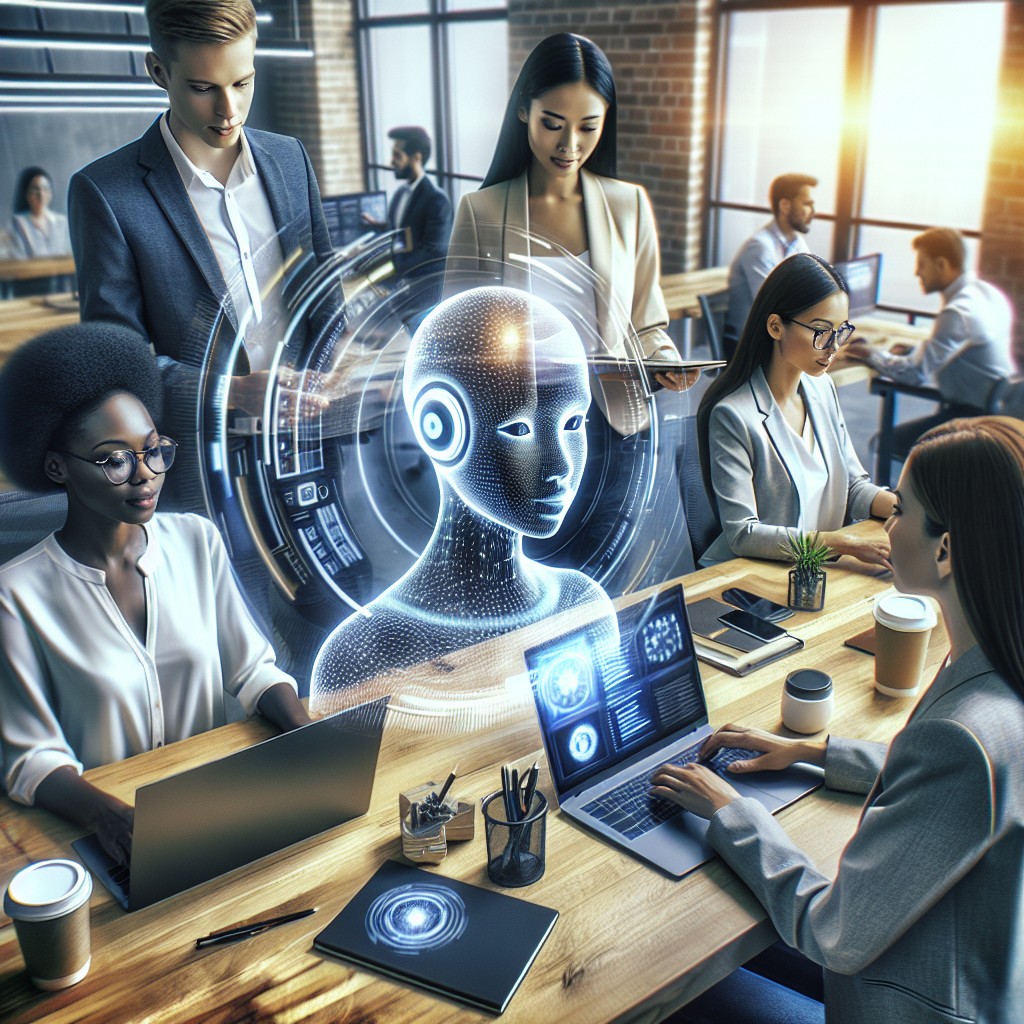
Integrating AI copilots into modern workplaces is reshaping team dynamics and productivity. These smart assistants help streamline workflows, yet maintaining effective guardrails is essential to harness their benefits fully.
The rise of AI copilots in professional environments
AI copilots have quickly become prominent tools in various sectors, from software development to customer service. By assisting with routine tasks, data analysis, and communication, they enable employees to focus on more complex and creative endeavors. The surge in their adoption reflects a growing recognition of their potential to enhance efficiency.
Why guardrails matter for AI copilots
Even as AI copilots offer significant advantages, unregulated use can lead to errors, privacy issues, and team disruption. Simple guardrails help prevent such challenges by defining clear boundaries for AI assistance, ensuring outputs remain accurate and aligned with organizational standards. These guardrails include setting usage protocols, monitoring AI suggestions, and encouraging human oversight.
Implementing effective guardrails to boost productivity
Organizations implement guardrails by establishing guidelines that balance AI autonomy with human control. Training employees to understand the AI copilot’s capabilities and limitations is crucial. Furthermore, integrating feedback mechanisms allows continuous improvement of AI outputs. This approach helps maintain productivity by minimizing misunderstandings and technical missteps.
Examples of guardrails in action
Leading companies use guardrails such as restricting AI copilots to specific task categories, requiring human approval before executing significant actions, and ensuring data security protocols are in place. These measures promote responsible AI usage while preserving the assistants’ supportive role. Such strategies prevent overreliance on AI and encourage critical thinking among team members.
The future outlook for AI copilots and team collaboration
The ongoing development of AI copilots suggests their role in workplaces will expand, becoming more integrated with human tasks. Reliable guardrails will remain vital to managing risks and maintaining productivity gains. As AI Technology evolves, organizations are expected to refine their policies, enhancing collaboration between humans and AI copilots. This evolution will likely lead to more seamless and effective teamwork.
For more insights, visit the AI copilots section at the World Economic Forum or explore research updates on AI copilots from MIT Technology Review.
Frequently Asked Questions about AI copilots
What are AI copilots, and how do they function in the workplace?
AI copilots are intelligent software assistants designed to support employees by automating routine tasks, providing data insights, and facilitating communication, thus enhancing overall work efficiency.
How do simple guardrails improve the use of AI copilots?
Simple guardrails set boundaries and protocols that prevent errors, protect privacy, and ensure responsible AI usage, helping teams stay focused and productive when working with AI copilots.
Can AI copilots replace human team members?
No, AI copilots are intended to augment human efforts, not replace employees. They handle repetitive tasks, allowing humans to concentrate on complex decision-making and creative work.
What risks are associated with deploying AI copilots without guardrails?
Without guardrails, organizations risk inaccuracies, data breaches, and decreased team cohesion due to overdependence on AI copilots or lack of proper oversight.
How can companies measure the productivity impact of AI copilots?
Companies can assess productivity by tracking task completion times, error rates, employee satisfaction, and quality of outputs before and after implementing AI copilots with established guardrails.